HARARE, Zimbabwe — High-risk food that is not handled and used properly is the main reason for outbreaks of food-borne illnesses. An estimated 600 million – almost one in every 10 people in the world – fall ill after eating contaminated food and 420 000 die every year, resulting in the loss of 33 million healthy life years. In Zimbabwe food-borne illnesses are one of the common health problems, ranging from diarrhoea to cancers.
To save lives and promote good health, “It is important to have a well prepared food inspection service that can achieve rapid and cost-efficient control of hazardous foods,” said Victor Nyamandi, Director in the Department of Environmental Health Services, Ministry of Health and Child Care (MoHCC).
ALSO READPosts


Responding to this call, the Food and Agriculture Organization of the United Nations (FAO) under the European Union (EU) funded Transforming Zimbabwe’s Animal Health and Food Safety Systems for the Future (ZAGP-SAFE) project has been training Environmental Health personnel from across the country on Food Safety Risk Analysis, focusing on risk assessment, risk management and risk communication.
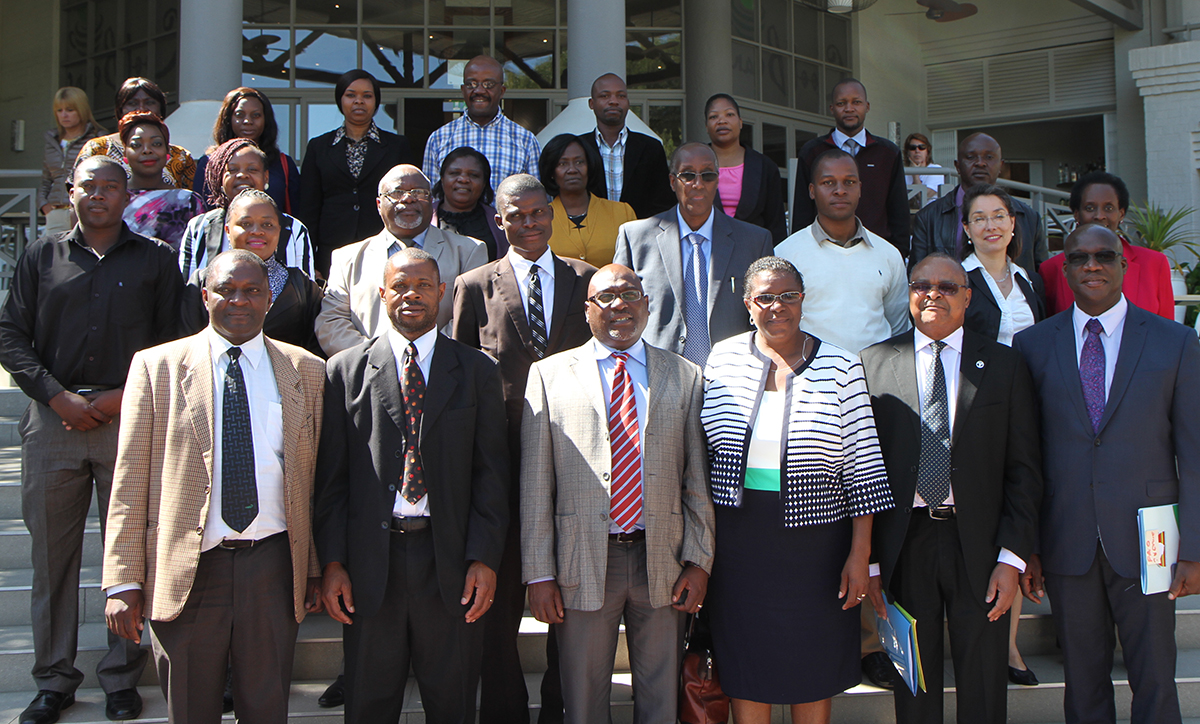
Based on the FAO/WHO Food Safety Risk Analysis Guide for National Food safety Authorities, FAO since November 2021, collaborated with the government of Zimbabwe to train 311 food inspectors.
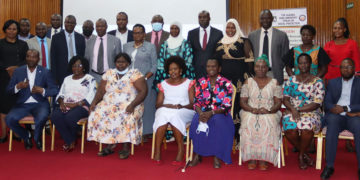
“We trained the last group of 36 food inspectors from Matebeleland North Province from 6-8 April 2022. In overall, the training strengthened the capacity & skills of Environmental Health Officers in the Ministry, on the application of risk based approaches during food safety inspections, including familiarizing participants with notions of risk, food and hazard combinations.” Victor Nyamandi.
Speaking after the training workshop for the food inspectors from Matebeleland North, FAO, SAFE Project Coordinator Basil Mugweni, affirmed that, “the training would also strengthen the capacity & skills of Environmental Health Officers, including familiarizing participants with notions of risk, food and hazard combinations.”
The Food Safety Manager in the MoHCC, Margaret Tawodzera, highlighted that the training workshops enhanced the capacity of food inspectors to identify high-risk foods or high-risk food preparation processes as well as enabling inspectors to focus the inspection on those foods or processes that are more likely to cause foodborne illness if uncontrolled.”
One of the workshop participants Michelle Shamiso Ng’andu, a lecturer at Bulawayo Polytechnic added that the training workshops equipped her with knowledge & skills to protect consumers by implementing adequate food controls that ensure that food is; properly handled, stored, manufactured, processed, transported, prepared, served & sold.
“It was a great honour and pleasure to be part of this workshop. This workshop will help me in my day-to-day activities, as I am a lecturer training Environmental Health Trainees (EHTs). In particular, the training challenged me to think bigger. I was motivated, throughout the workshop and I was able to identify gaps where food hygiene is concerned. I know defiantly when I go back in the area of food safety my drive is to encourage students to identify problems in the community and develop simple low cost systems and technologies that protect their communities from food hazards,” said Ng’andu
About the SAFE project
The scope of the SAFE project is not confined to Food Safety Risk Analysis training; it also covers, development of policy documents such as the country’s Food Safety strategy, Food Establishments minimum health guidelines and Food Recall Regulations.
“FAO under the SAFE project is also assisting the Department of Environmental Health Services to develop standard operating procedures (SOP), capacity building through procurement of food inspection kits and development of a Food Safety and Port Health information management system,” Basil.
In addition, the SAFE project is building the capacity of the Department of Veterinary Services (DVS) to delivery animal health services for improved livestock production and productivity in the rural areas. To this end the project has facilitated the development of five new regulations to improve the environment for easy of doing business by livestock farmers and other value chain actors.
“To bring the essential veterinary inputs closer to the livestock farmers in the rural areas the project has upgraded 26 animal health centers in 18 districts across Zimbabwe. These centers are set to offer a wide range of valuable inputs to reduce high costs of inputs, by removing travel costs and middle man who often sell fake drugs,” said Basil.
For sustainability of the project’s animal health interventions FAO has facilitated partnerships between private sector institutions and the DVS to provide sustainable veterinary input supplies, this will result in increased livestock production.